
Pitt’s University Center for Social & Urban Research (UCSUR) has been serving the region with locally relevant research for over 50 years. Now, as the University’s commitment to Community Engaged Research grows, UCSUR is expanding its scope to be Pitt’s hub for Community Engaged Research. UCSUR currently has three main divisions: the Community Impact Network, the Survey & Qualitative Research (SQR) team, and the Western PA Regional Data Center.
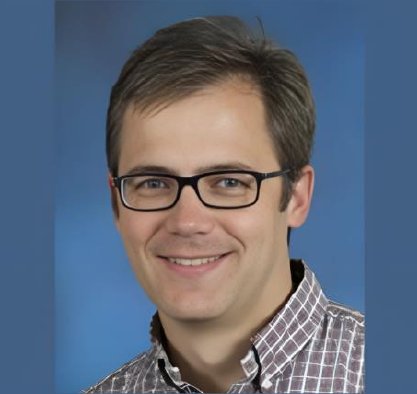
Today, UCSUR is announcing a new Inaugural Director of Strategic Partnerships, Bob Gradeck. After directing UCSUR’s Western PA Regional Data Center for the past 11 years, Bob is moving into a new position where he can use his experience building strategic community engaged partnerships to serve UCSUR, the University of Pittsburgh, and the region. Strong, sustainable collaborations are a core part of UCSUR’s aims to help Pitt be a trusted partner for innovative research and action.
Below, Bob shares his goals for his new role, and for helping to build sustainable partnerships that can advance Pitt’s ability to be a problem-solver with the SWPA region and beyond.
Bob Gradeck Q&A
What are some of the partnerships that come to mind when you reflect on your time here at UCSUR?
Bob:
Just about every project I’ve been involved with here at Pitt over the past 17 years has relied on partnerships. The Regional Data Center is a partnership between the University of Pittsburgh, Allegheny County and the City of Pittsburgh, and so much of what we do is grounded in those relationships. All of the work we’ve done to support community development and housing organizations through technical assistance, convenings, and the Parcels n’at and Housecat tools have opened up so many new partnership opportunities. I’m especially proud of UCSUR’s work in 2020 and 2021 to respond to the COVID-19 pandemic in partnership with our community, university, and public health partners through the Data Justice Working Group. One of our current projects involves strengthening the international CKAN open source open data software community, and we’ve come to know people from all across the world through our work on that initiative. Finally, I appreciate all of the partnerships I’ve formed with people in different communities of practice- they help to inform my work and give me a chance to expand my network.
In your experience, what are some of the most crucial elements of a successful partnership?
Bob:
Clearly, I’ve learned a lot of lessons the hard way, and the importance of learning from prior experiences is one of the things I’ve come to appreciate. Personal reflection is something that I do at the start of new partnerships.
I could offer a whole list of elements that are crucial, but for the past five or six years, I’ve tried to think about the role that power plays in projects and partnerships. Successful partnerships make time to talk about power often. Being clear about roles, decision- making processes, and how those in power can be held accountable can help to level power dynamics and reveal power that people have. Successful partnerships also make sure that everyone’s contributions and expertise are acknowledged, and everyone involved has what they need to fully participate in the work of the partnership.
Finally, it’s best not to rush into relationships. I’ve found it helpful to spend time to make sure people involved in partnerships get to know one another, understand each other’s motivations, and learn more about the expertise and gifts they’re bringing to the
relationship.
What advice do you have for Pitt scholars or Community Members who are trying to create new collaborations to make a bigger impact with their work?
Bob:
The best advice I could give Pitt scholars came from a community member involved in a workshop on partnerships several years ago. They said, “Don’t just ask if help is needed, also ask what help looks like.” I couldn’t put it any better than that.
I’d also want to let community members know that they have more power in the research process than they think, and that they should really view themselves as a partner. It’s incredibly helpful if you talk about what you want from a partnership, ask questions, challenge assumptions, and offer honest feedback, advice, and guidance.
What do you hope to contribute to the University Center for Social & Urban Research's new role as Pitt’s hub for Community Engaged Research?
Bob:
This role will enable me to build on what I’ve done in my time at Pitt. I’ll be staying on top of what’s happening in the region to find opportunities to use research to strengthen communities and improve well-being. I’ll also stay on top of what’s taking place outside of
Pittsburgh to see what we can learn from and what opportunities we can leverage locally.
I’ll be making a lot of connections between people, helping partners secure resources to support community engaged research, building the capacity of UCSUR staff to execute in community engaged research, and supporting people engaged in community engaged research through UCSUR.
What can our partners at the University of Pittsburgh and in the region expect from you in this role?
Bob:
More than anything, partners should expect and be prepared for a steady and unyielding stream of dad jokes, but that’s nothing new if you’ve ever spent any time with me. Just ask my kids.